
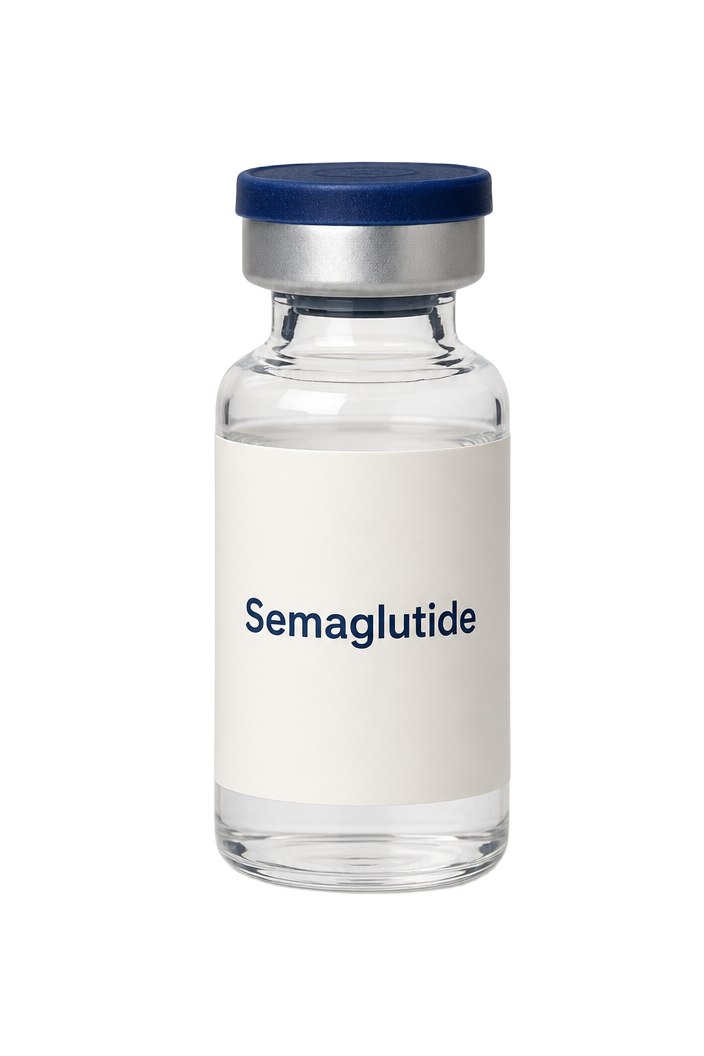
 Compounded Semaglutide
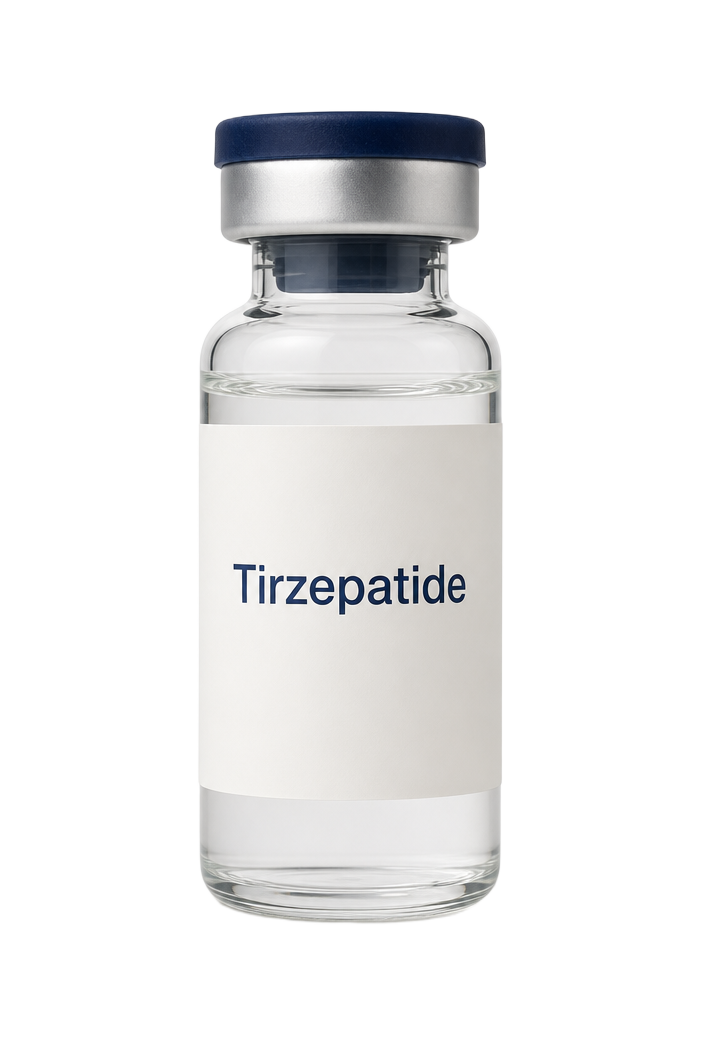 Compounded Tirzepatide
 NAD+
NAD+ Sermorelin
 Glutathione
 Tretinoin
 GHK-Cu Cream
 Cashmere Cream
If you have searched for GLP-1 weight management treatment, you have probably experienced sticker shock. Brand-name medications like Ozempic and Wegovy carry list prices that routinely exceed $1,000 per month — and most insurance plans still decline to cover them for weight management.
Compounded semaglutide exists precisely to close that gap. Prepared by state-licensed, FDA-inspected compounding pharmacies, it contains the same active ingredient as the brand-name versions, prescribed and dosed by a licensed provider for your individual needs.
This guide breaks down the real numbers: what brand-name GLP-1s cost out of pocket, how compounded pricing compares, and what an all-inclusive program should actually cover before you pay a dollar.
The out-of-pocket cost of brand-name GLP-1s
Without insurance coverage, the numbers are difficult to ignore:
- Wegovy (semaglutide): roughly $1,300 to $1,450 per month at retail pharmacies.
- Ozempic (semaglutide): roughly $950 to $1,100 per month when prescribed off-label for weight management.
- Zepbound (tirzepatide): roughly $1,050 to $1,300 per month.
- Mounjaro (tirzepatide): roughly $1,000 to $1,200 per month.
Over a single year, that is $12,000 to $17,000 in medication costs alone — before provider visits, lab work, or supplies. Manufacturer savings cards exist, but they typically require commercial insurance that already covers the drug, which excludes most people paying cash.
Why compounding pharmacies cost less
Compounding pharmacies are permitted under federal law to prepare customized versions of medications when a licensed prescriber determines an individualized formulation is appropriate. Because they produce the medication directly from pharmaceutical-grade active ingredients rather than manufacturing a branded, mass-market product, the cost structure is fundamentally different.
The result: compounded semaglutide programs commonly run $149 to $399 per month — roughly 70 to 85 percent less than brand-name retail pricing — while still requiring a real prescription from a licensed provider.
What all-inclusive pricing should actually include
Headline prices in telehealth can be misleading. Some platforms advertise a low monthly rate, then add charges for the initial consultation, follow-up visits, injection supplies, and shipping. When comparing programs, confirm whether the quoted price covers:
- Licensed physician review and prescription.
- The medication itself at your prescribed dose.
- Injection supplies, syringes, and needles.
- Shipping, including cold-chain packaging where required.
- Ongoing provider check-ins and dose adjustments.
A genuinely all-inclusive program bundles every one of these into a single, predictable price with no auto-renewing subscription traps.
Increase Health pricing versus brand-name costs
At Increase Health, compounded semaglutide is $149 per month equivalent, billed transparently as a single $447 payment for a three-month block. Compounded tirzepatide starts at $223 per month equivalent, billed as a single $669 payment. Every block includes physician review within 24 to 48 hours, full injection supplies, free nationwide cold-chain delivery, and medication prepared in FDA-inspected compounding facilities.
There is no subscription, no membership fee, and no cancellation penalty. Treatment ships only when you approve it, and you are never charged if a provider does not clinically approve your prescription.
The bottom line
If you do not have insurance coverage for GLP-1 medications, brand-name retail pricing puts treatment out of reach for most households. Compounded semaglutide, prescribed by a licensed provider and dispensed by a regulated compounding pharmacy, delivers the same active ingredient at a sustainable monthly cost — and an all-inclusive, no-subscription program ensures the price you see is the price you actually pay.
Individual eligibility requires an independent assessment by a licensed provider. This guide is educational and is not medical advice.
Stay informed
Get future healthcare breakdowns from our research team, sourced from peer-reviewed medical journals and clinical data.
Talk to a licensed provider
Five-minute intake, provider review within 24 hours, free delivery on every prescription.